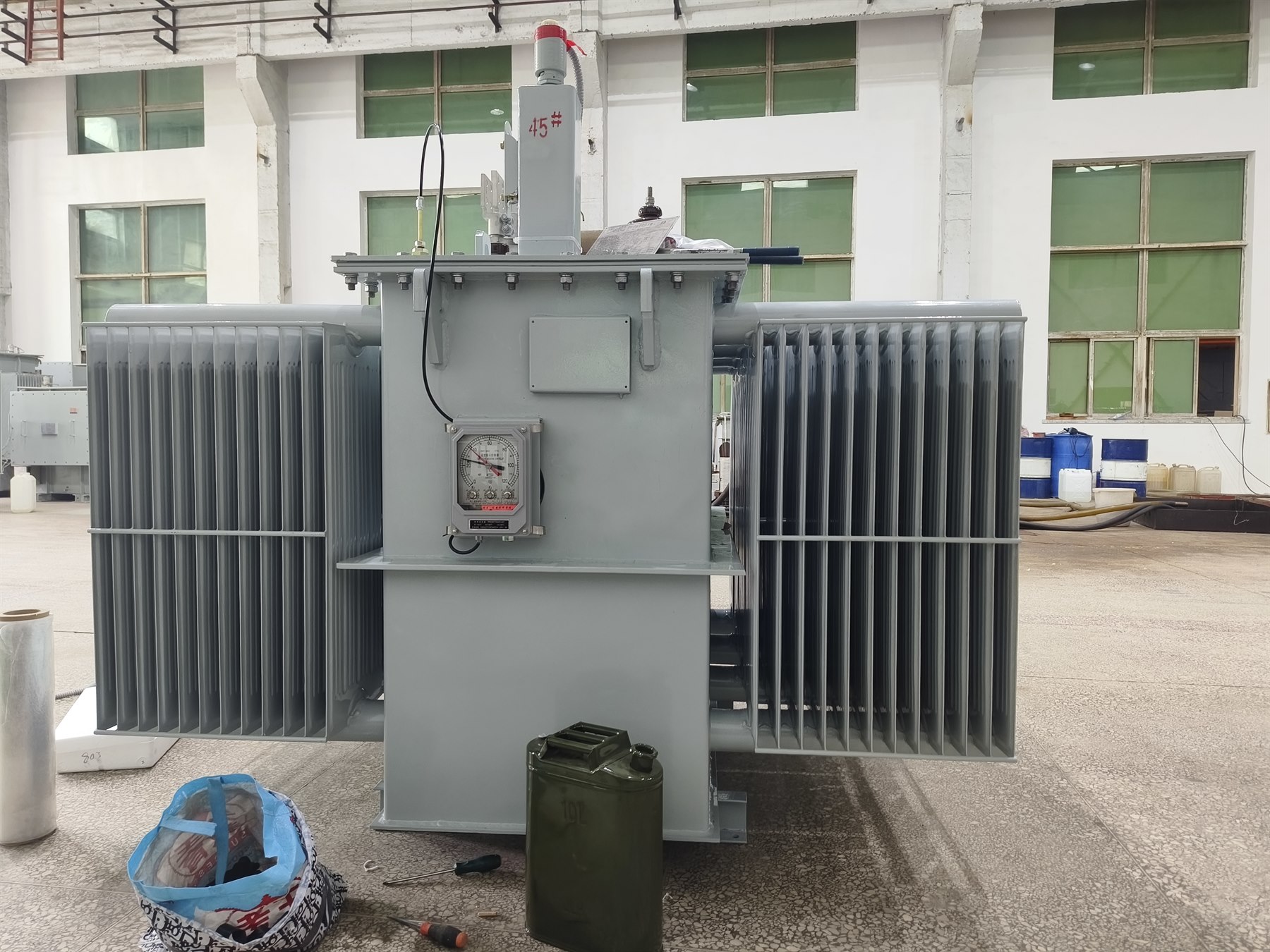
Complete oil-system design
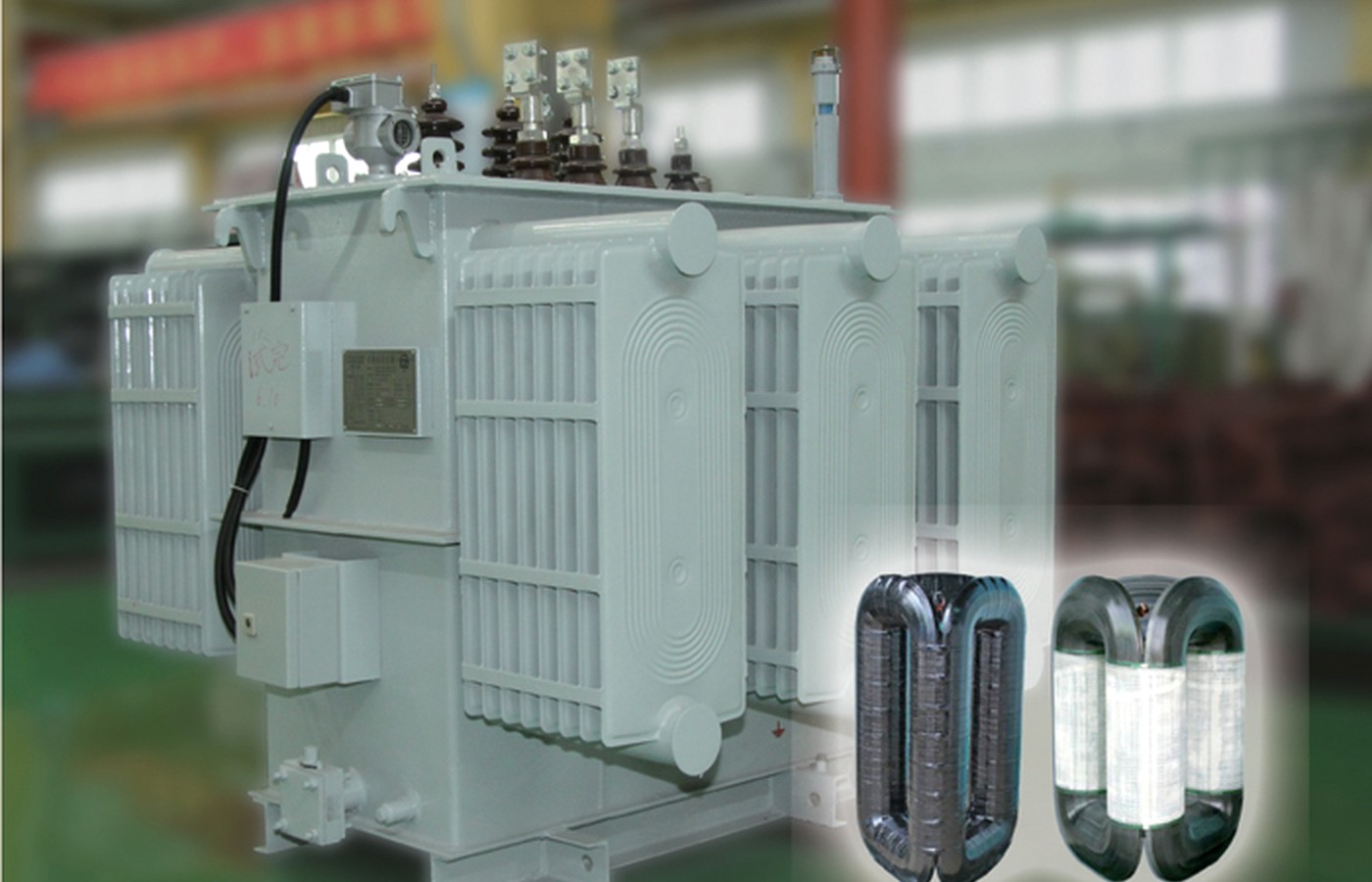
A hermetically sealed oil-immersed transformer uses a closed tank and a structure able to accommodate changes in insulating-oil volume. Changes in load and temperature affect oil volume and internal pressure, so the corrugated structure, tank, welds, gaskets and interfaces must work as one system.
Electromagnetic calculation is only part of the design. Thermal balance, mechanical strength, sealing boundaries and interface arrangement are determined from the actual load, site environment, operating regime and maintenance conditions.
Sealed oil system
The tank, corrugated structure, gaskets, bushings, valves and welded interfaces form one sealing boundary and accommodate oil-volume and pressure change.
Electrical and thermal design
Rating, voltage, impedance, load profile, ambient temperature and cooling conditions define the electrical and thermal design; special loads need separate review.
Replacement interfaces
Foundations, bushings, phase sequence, busbar or cable connections, overall dimensions and transport access must be checked; model names alone do not prove interchangeability.
Manufacturing and verification
Production and inspection follow approved project data and drawings, while the delivered state is defined by the contract, records and agreed documents.
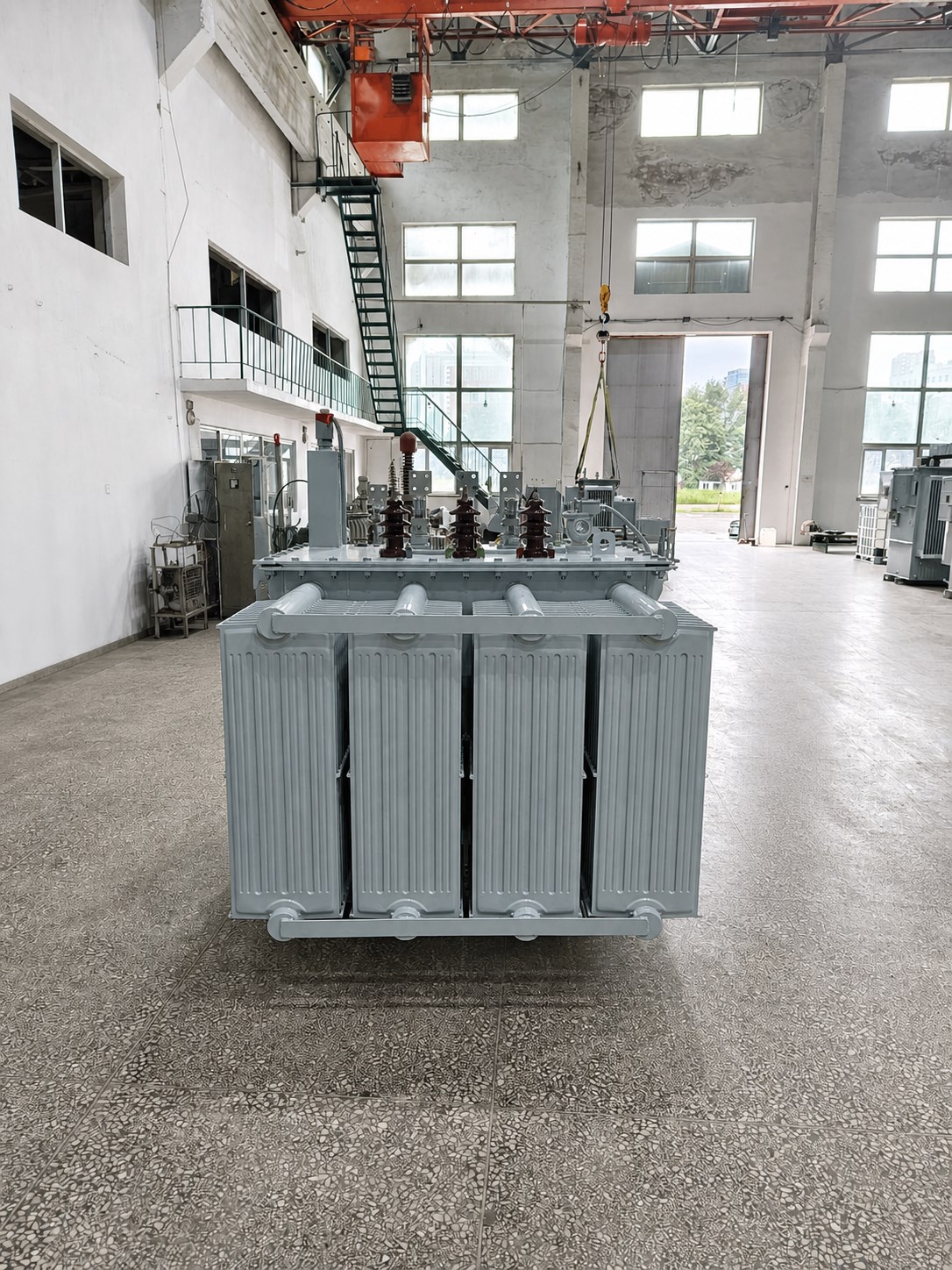
How oil volume changes
Heat from the windings and core raises oil temperature and volume during operation; the oil contracts again when load or ambient temperature falls. A hermetic arrangement accommodates that change inside the closed system through the tank and its designed variable-volume structure.
The corrugated structure may support both heat dissipation and oil-volume compensation. Dimensions, stiffness, weld quality and permissible movement are checked together with oil volume, temperature rise, pressure and mechanical strength.
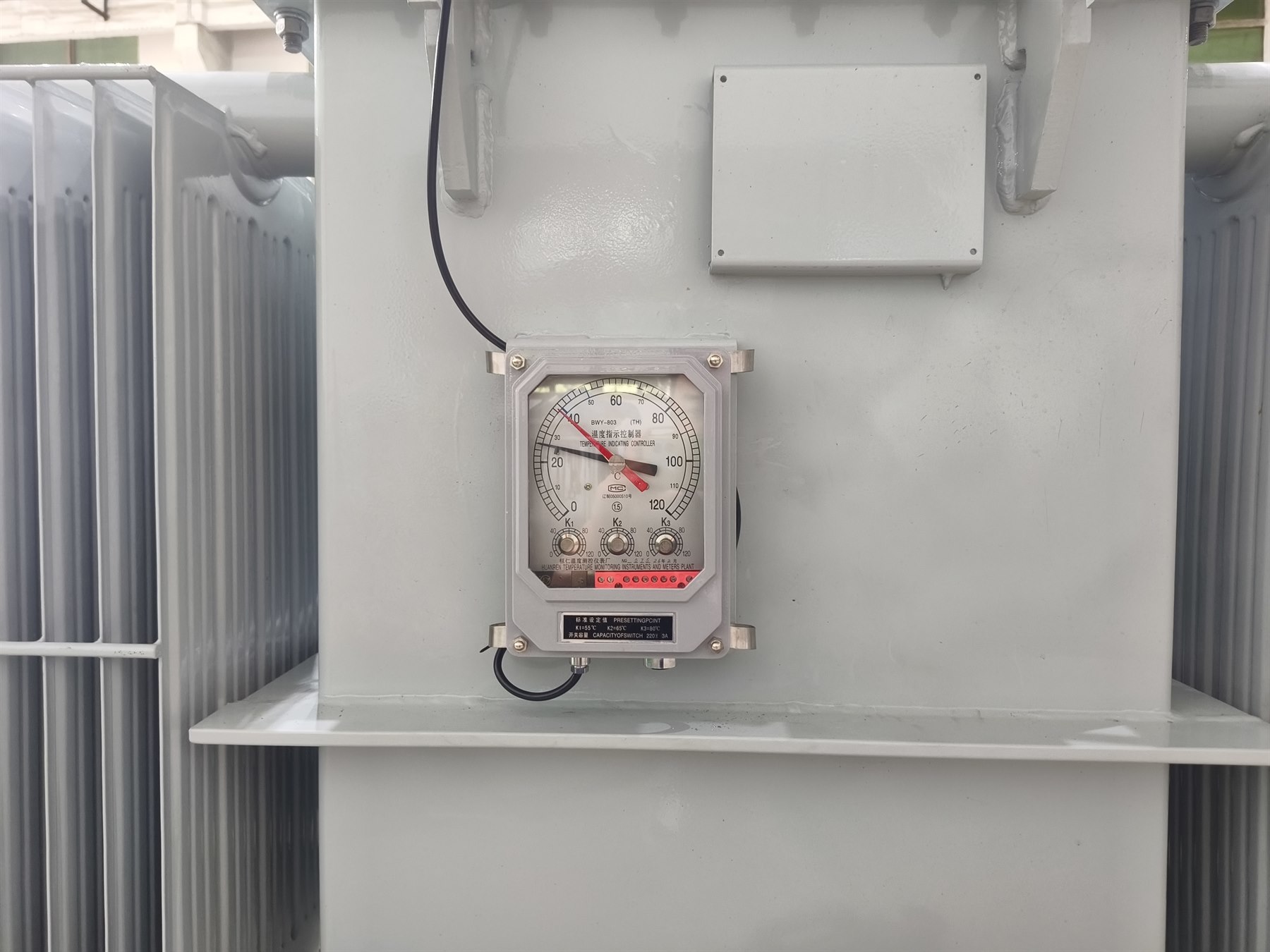
- 01
Load rises and the windings and insulating oil become warmer.
- 02
The oil expands, and the sealed tank structure accommodates the change in volume and pressure.
- 03
As load or ambient temperature falls, the structure follows the contracting oil volume.
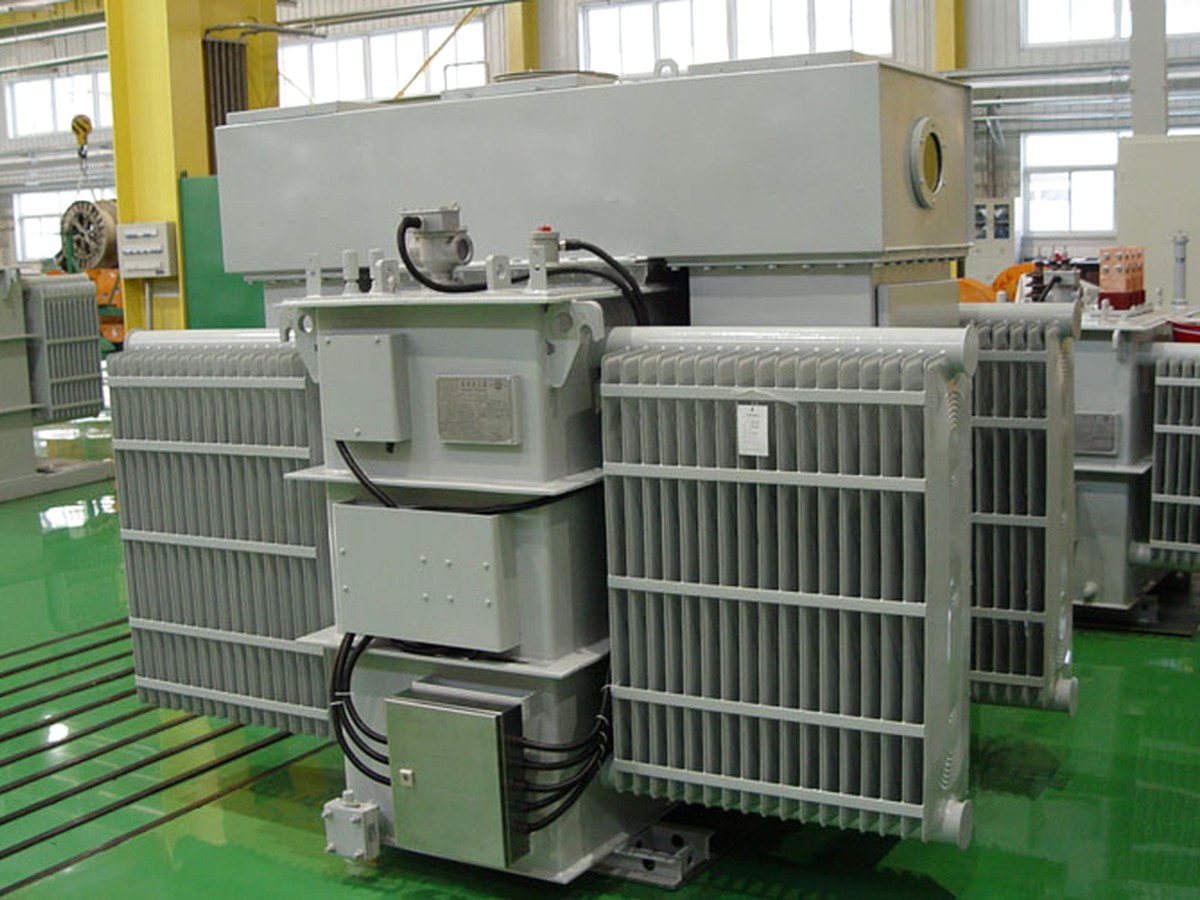
Two oil-system arrangements
Both arrangements can be used for oil-immersed transformers, but they differ in oil-volume compensation, accessory scope, overall arrangement and maintenance focus. Selection should reflect rating, voltage, available space, environment, operating regime and the user's maintenance requirements.
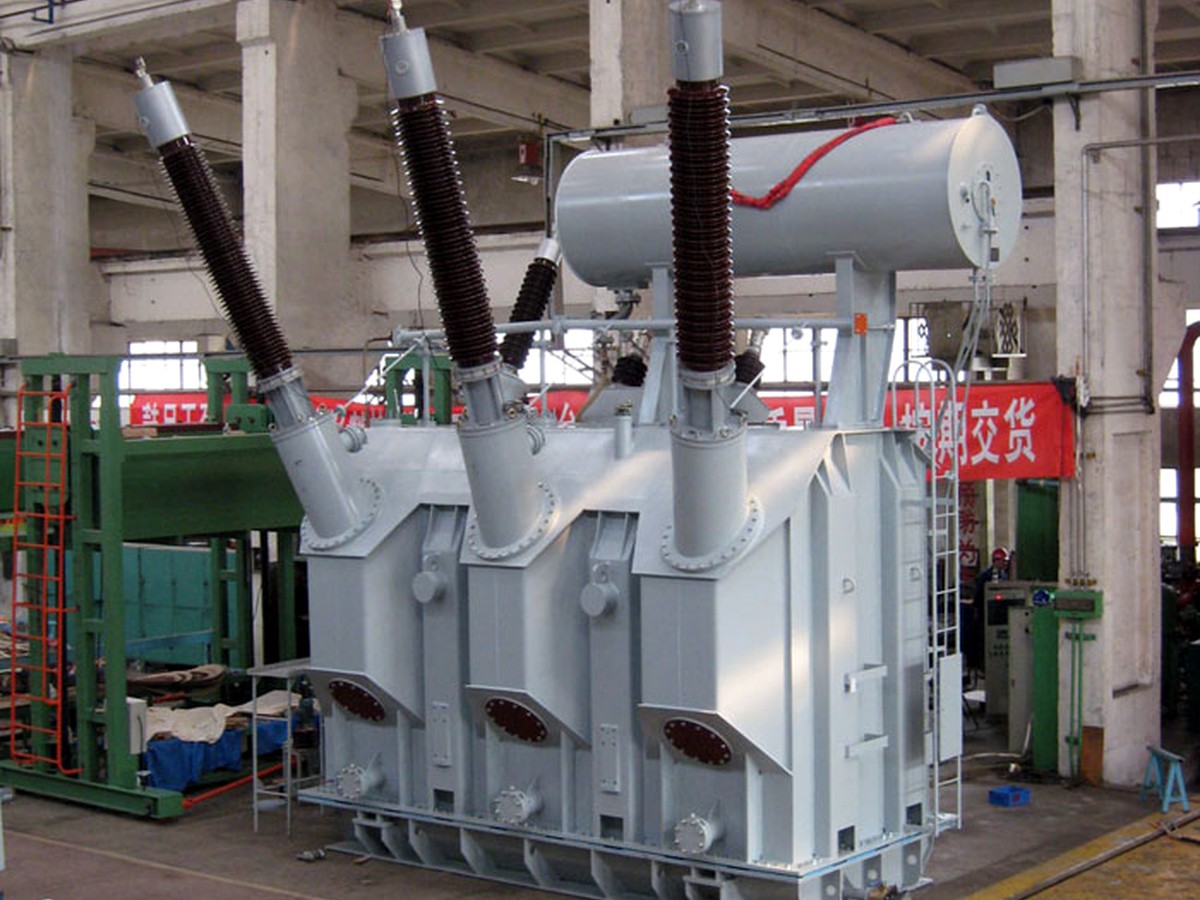
| ITEM | HERMETICALLY SEALED | WITH CONSERVATOR |
|---|---|---|
| Oil system | Limits direct contact between insulating oil and outside air | Normally includes a conservator and associated oil-circuit accessories |
| Volume compensation | A designed sealed tank or variable-volume structure accommodates oil-volume change | The conservator provides the main volume for oil expansion and contraction |
| Arrangement | Can reduce space used by a conservator, while cooling and service clearances still require confirmation | Space is required for the conservator, connecting pipework and accessories |
| Maintenance focus | Reduces some external accessories, but leakage, temperature rise, bushings and protection devices still require inspection | In addition to the main tank, the conservator, breather and related accessories require attention |
| Design focus | Sealing boundary, pressure change, corrugated structure and interface consistency | Conservator system, oil circuit, accessory configuration and overall arrangement |
NOTEHermetically sealed does not mean inspection-free or maintenance-free. Temperature rise, leakage, bushings, connections, protective accessories and abnormal sound should still be checked in accordance with the product instructions and site procedures.
Application scenarios
Distribution and industrial power
For plant, production-facility and other continuous power duties, selection confirms the load profile, environment, short-circuit capacity and protection coordination.
Industrial and special loads
Rectifiers, drives, frequent starts and impact loads may introduce harmonics, additional loss and temperature-rise concerns, so equipment data is required.
Replacement and limited space
Existing foundations, busbars, cables, access routes and outage windows constrain replacement work; dimensions, phase sequence and site boundaries need early confirmation.
Outdoor and demanding environments
Humidity, coastal exposure, temperature extremes, dust or corrosion influence protection, coating, sealing materials and cooling, and must be stated in the technical agreement.
Project inputs
A hermetically sealed transformer is rarely selected by rating alone. New-build, replacement and special-load projects require different inputs; more complete information allows technical boundaries, interfaces and scope of supply to be established earlier in the quotation stage.
Basic electrical data
- 01Rated power
- 02HV and LV rated voltages and tapping range
- 03Frequency
- 04Vector group
- 05Short-circuit impedance requirement
- 06Loss or efficiency requirement
- 07Load type and operating regime
- 08System short-circuit capacity and protection requirements
Installation and interface data
- 01Indoor or outdoor installation
- 02Ambient temperature, altitude, humidity and corrosive conditions
- 03Foundation dimensions and fixing holes
- 04HV and LV cable or busbar entry
- 05Bushing positions, centre distances and phase sequence
- 06Overall and transport dimension limits
- 07Temperature, pressure, oil-level and other monitoring accessories
- 08Applicable standards, document language and delivery requirements
Project confirmation
- 01
Project information received
Review rating, voltage, load, environment, interfaces, standards and scope of supply; identify missing information and special conditions.
- 02
Technical scheme and boundary confirmed
Establish the main technical data, construction, accessory configuration and interfaces, and identify matters requiring customer confirmation.
- 03
Drawings and technical agreement approved
The approved technical agreement, data sheet and drawings become important references for detailed design, manufacturing and inspection.
- 04
Manufacturing, inspection and factory testing
Production follows the project files, with inspections and tests completed at the specified stages and recorded accordingly.
- 05
Packing, documents and delivery
Nameplate, drawings, test reports, packing information and installation documentation are prepared according to the contract.
Frequently asked questions
01Is a hermetically sealed transformer completely maintenance-free?
No. The construction can reduce conservator- and breather-related accessories and maintenance points, but leakage, temperature rise, bushings, connections, protective accessories and abnormal sound still require inspection in accordance with project requirements and product instructions.
02Without a conservator, how is expanding insulating oil accommodated?
A designed tank and variable-volume structure accommodate the oil-volume change caused by temperature. The detailed construction and permissible movement are determined with reference to oil volume, temperature rise, pressure and mechanical strength.
03Can an old transformer be replaced directly by a unit with the same model name?
Not on the model name alone. Products from different manufacturers or years may differ in dimensions, foundation holes, bushing positions, phase sequence, impedance, accessories and connections. Drawings and site interfaces must be checked before replacement.
04Is hermetic construction suitable for every rating and operating condition?
No. Rating, voltage, environment, temperature rise, transport, available installation space and special-load requirements must all be considered before the construction is selected.
05What information is required before quotation?
At minimum, provide rating, voltage, frequency, vector group, impedance, installation environment and connection method. Replacement projects should also include the original nameplate, drawings, site photographs and key interface dimensions.
06Can the transformer be designed to GB, IEC or a project-specified standard?
Technical confirmation can follow the applicable project standard, but the exact edition, test scope and acceptance requirements must be stated in the technical agreement or contract.